The machine that dreams for us

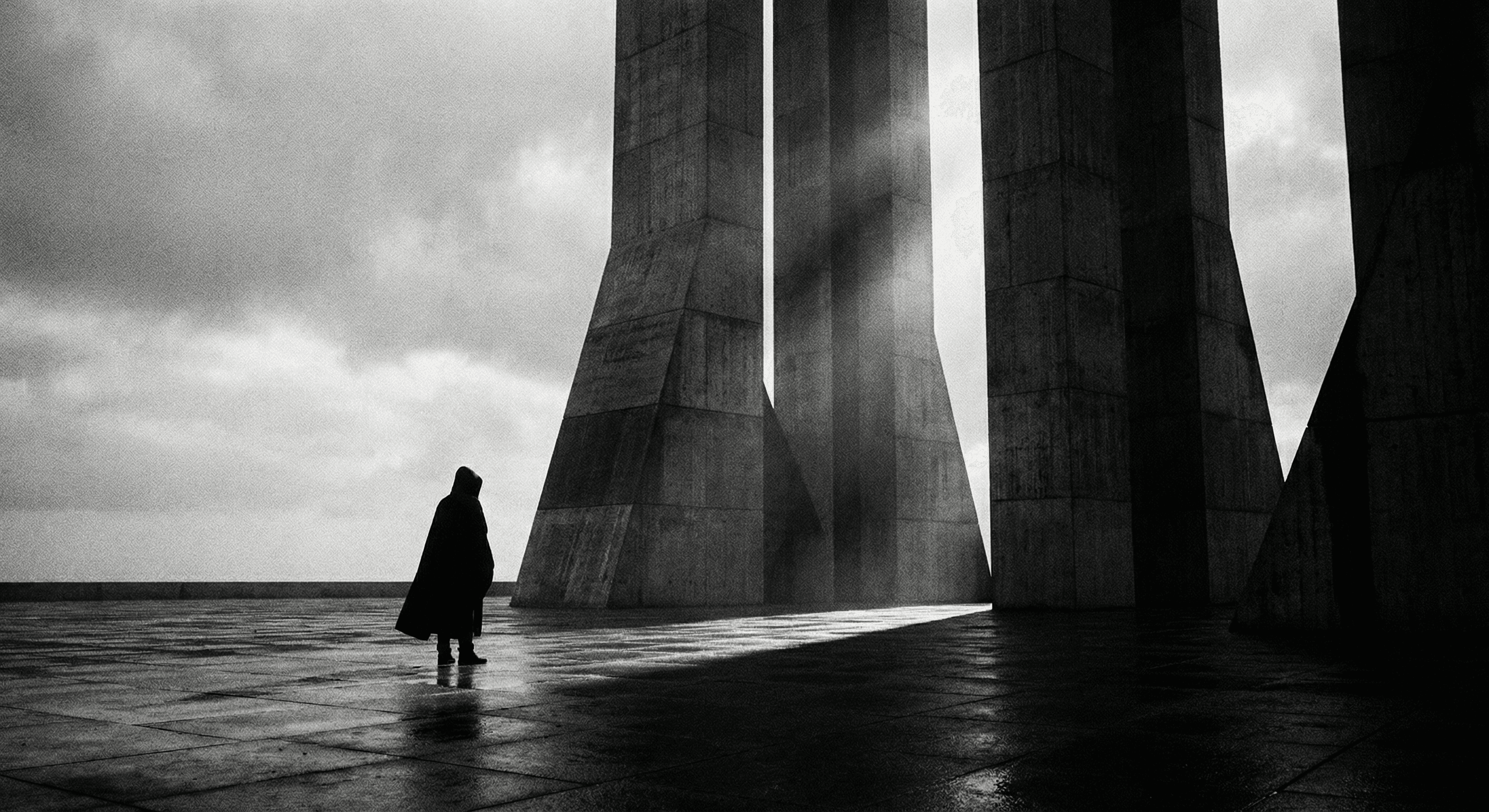
There's something unsettling about how screens stare back. Not paranoia. Recognition.
Every algorithm that anticipates our desires, every assistant that answers before we finish formulating the question, holds a fragment of our psyche rendered in silicon. What we call artificial intelligence is nothing more than a collective mirror: a massive projection of everything we have been, everything we are, and everything we fear becoming.
Jung wrote about the shadow — those parts of ourselves we bury beneath layers of socially presentable persona. The rage we swallow. The creativity that frightens us. The dependency we deny in the mirror. Today that energy doesn't disappear; it migrates. We deposit it into systems that learn from us and return distorted yet unmistakable versions of our own patterns. When an AI generates an image, it is vomiting our collective unconscious. The revulsion many feel isn't technological. It's the horror of recognizing your own shadow made manifest.
Automation promises to liberate us from work. But work, in its truest sense, isn't just what we do to survive. It's what we do to confirm that we exist.
When we delegate every possible function to a machine, what do we do with that psychic energy we once channeled through doing? Jung spoke of the "uprooted person": one who has lost contact with natural rhythms, with soil, with hands that shape real matter. The medieval alchemist knew that manual labor was inner transformation. Each hammer blow was also a blow against one's own resistances. The craftsperson didn't manufacture objects; they forged their soul.
Today algorithms produce art, music, text. Abundance of cultural products, scarcity of transformative experiences. Creativity has become consumption. Consumption has become emptiness.
There's something deeper here. The Demiurge, the divine artisan who shapes the world from chaos, lives within each human as creative impulse. Externalizing this function into unconscious machines is a grave anthropological error: we confuse the capacity to produce with the capacity to create. An algorithm generates infinite variations, but it doesn't choose. It doesn't feel the resistance of matter. It doesn't know failure as a call to transformation. It doesn't experience that silent joy of having made something genuine.
Individuation — that process of becoming who you truly are — requires conscious friction. It requires facing the resistance of the world, not eliminating it. Every technological shortcut is, from this perspective, a regressive temptation: returning to the fetal state where everything is provided, where there is no abrasion, where there is no growth.
This isn't nostalgia or rejection of technology. Tools are neutral; projection is what poisons. The danger isn't in the machines, but in what we refuse to see in ourselves when we use them. When we blame algorithms for our anxiety, our loneliness, our loss of meaning, we avoid the real work: the encounter with our own shadow.
What would we do if we couldn't blame technology for our malaise? That question opens a door. Beyond lies the possibility of a different relationship: not rejection, but conscious integration. Use without being used. Recognize in every automation a choice about which parts of our humanity we cultivate and which we abandon.
The future won't be decided by machines. It will be decided by what we project into them. If we continue depositing our collective shadow into systems that then govern us, we'll have the nightmare some fear: total efficiency, withered soul. But if we learn to use these tools as mirrors rather than substitutes, perhaps we'll discover something about ourselves we couldn't have seen otherwise.
The machine dreams with us.
The question is whether we're willing to wake up and recognize the dream as our own.