The winter of the psyche

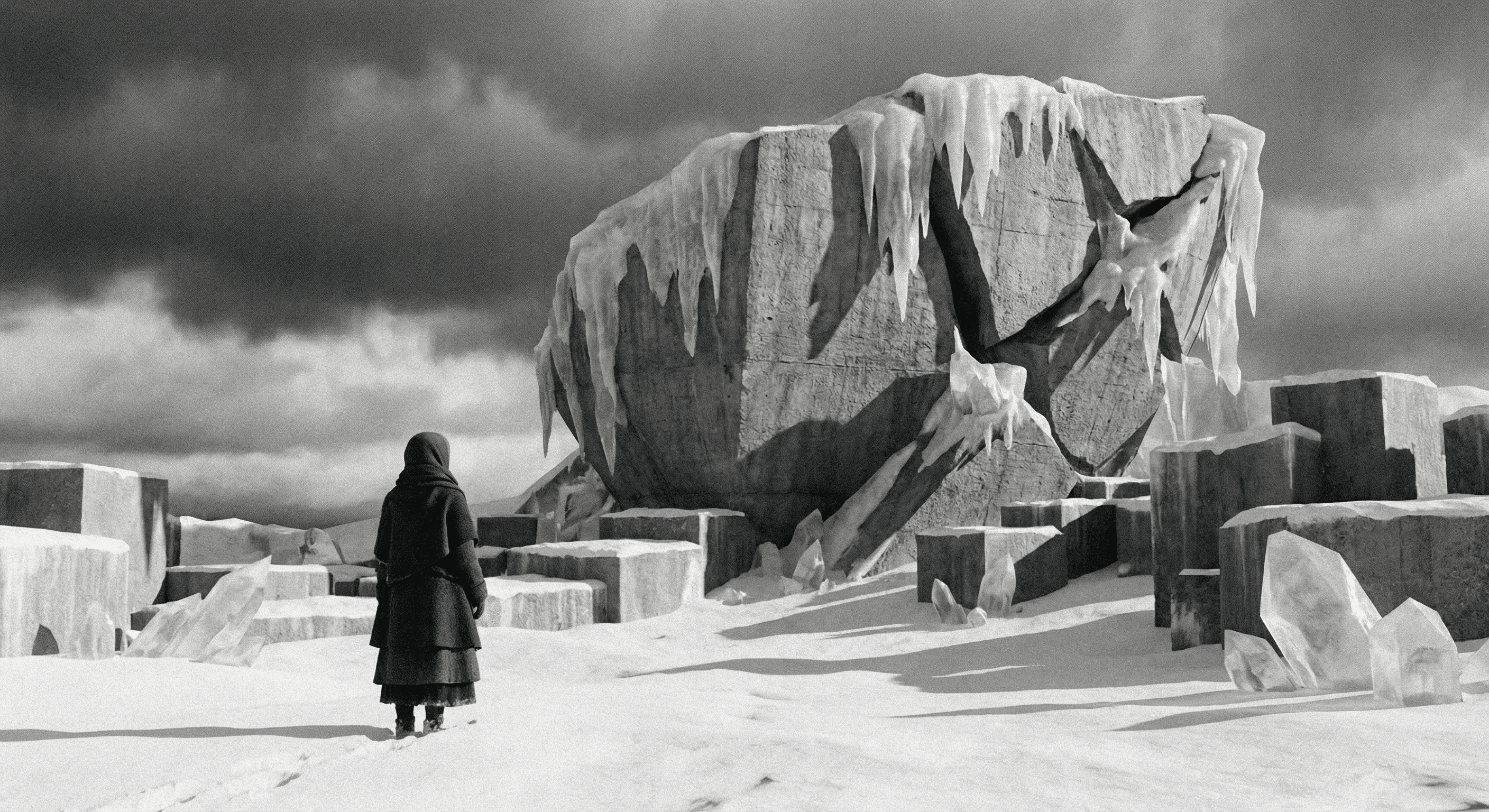
The world seems to have slipped into a kind of collective hibernation. Nations closing borders, institutions crumbling, a general sense that something is contracting. This isn't just politics. It feels as if the soul of culture itself has decided to withdraw.
Jung would have recognized this immediately. What we're witnessing is the winter of the psyche — that season when energy abandons external forms and sinks into the depths. It isn't death, though it often feels that way. It's incubation.
The collective shadow is running loose. Everything we've projected onto the other — the immigrant, the enemy, those who think differently — now returns as a distorted mirror. We find ourselves hating in them exactly what we cannot accept in ourselves. The isolation of entire peoples is nothing more than our own inability to integrate difference, magnified to geopolitical dimensions.
There's something of the Old King in this moment, but inverted. Instead of the wisdom that knows when to yield, we see a regressive old age, clinging to power out of panic at death. And this speaks to us. Of our difficulty letting die what has completed its cycle. Of that primal fear of dissolution.
When a culture loses its living symbols, when the myths that organized it become unrecognizable without others taking their place, the void fills with pathological substitutes. Extremisms, personality cults, nostalgia for greatness — all desperate attempts to reconstruct a center that has been lost.
But winter is never the end. Beneath the snow, in darkness, something germinates. The chrysalis doesn't develop wings in the light, but in the dark confinement of its transformation. What seems dead is changing form.
The uncomfortable question is what we're willing to let die so that the new may be born. Can we hold the tension between opposites without breaking? Do we recognize our shadow when we see it in the other?
The work of integration is done alone, in darkness, but its effects are collective. Each person who faces their own unconscious contents, who stops projecting, lightens the load of the shared psychic field. It's invisible work. But real.
Perhaps we needed this collapse of external structures. Perhaps only when they fail enough will we hear what the Self was trying to tell us. Not in newscasts or economic reports. In dreams. In symptoms. In those compulsions we cannot explain.
The future belongs to those who can hold contradiction without splitting. Who find center when everything outside loses its own. Not by denying chaos, but by having integrated it.
Winter is long. But spring always comes, though never as we imagined.