The Hero's Solitude

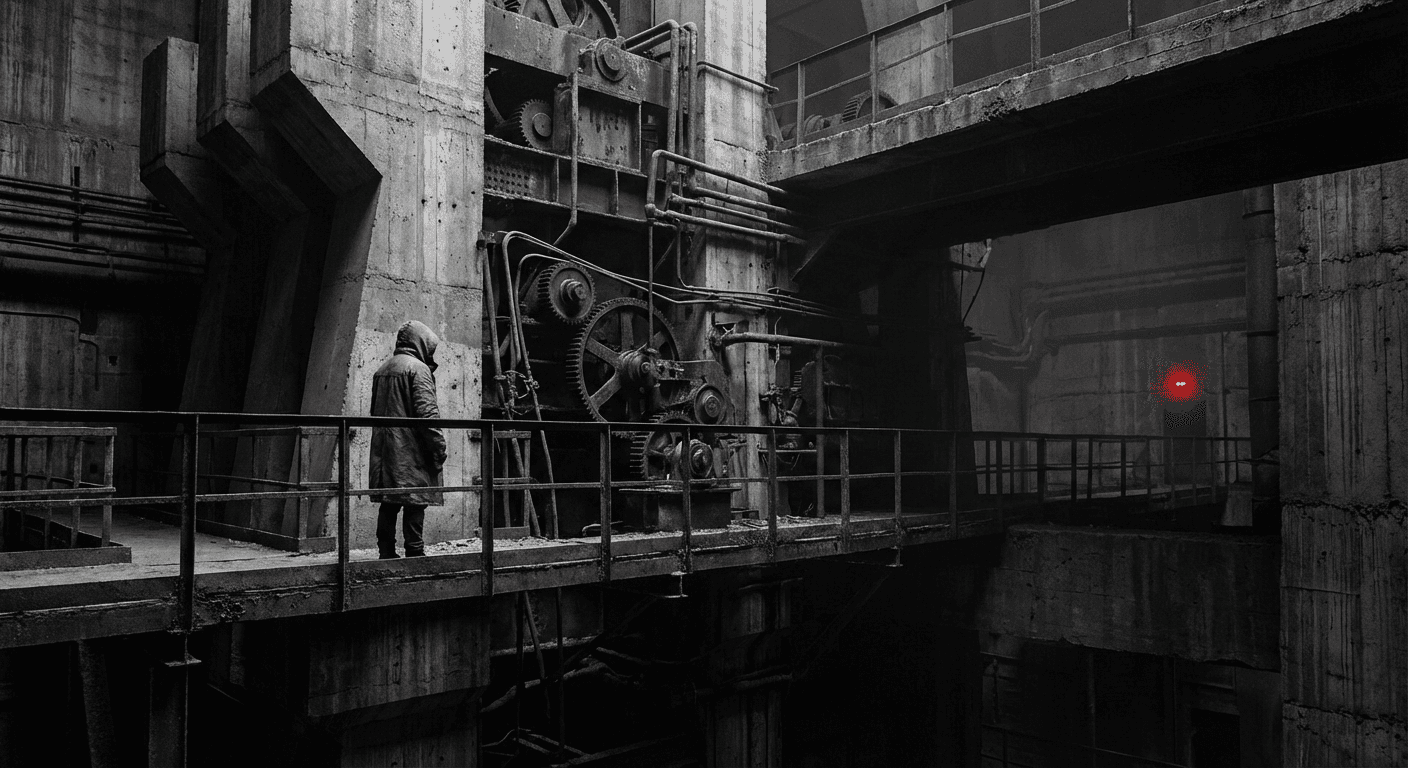
I've been thinking about what it costs to be yourself when everything pushes toward the collective.
The other day I read something about work automation. Decades of science fiction fantasies now sounding like realistic forecasts. I'm not sure if it depresses me or relieves me. Probably both. It's easy to feel like the machine is coming to take something essential: the sweat, the purpose, the sense that our hands matter. But there's another reading, more uncomfortable: what if it frees us for something we've been postponing?
Jung wrote about individuation as a call you can't ignore. Not a romantic whim, but a biological urgency. The psyche wants to integrate. It wants you to stop fragmenting into the work you hate, the character you perform so others accept you, the version of yourself you invented at fifteen because it felt safe. But here's the problem: individuation is solitary by definition. It drags you into territory no one else can walk with you.
Now the world tells us that social cohesion is the new imperative. Durkheim resurrected. Connection, belonging, community fabric. Not bad. But I feel a tension nobody names: what about the one who must step aside to find themselves? What about the hero who crosses the threshold alone?
There's a shadow in our time that we don't see because it's too close. We project it onto technology, onto capitalism, onto whatever scares us that day. But the real shadow is subtler. It's the part of us that wants to be saved without changing. The part that longs for community without commitment, purpose without sacrifice, identity without facing the uncomfortable inside ourselves.
I've noticed something in people I know who have done real work with their psyche. I'm not talking about Instagram therapy or quoting Jung on LinkedIn. I'm talking about those who have been through the desert. They all share something: a solitude that doesn't scare them. Not because they're antisocial. Because they learned that real connection is only possible from the integrity of being.
The risk of this era is confusing connectivity with connection. Believing that being in fifty WhatsApp groups is belonging to something. Responding to the anxiety of automation by clinging harder to the collective, as if the crowd could protect us from the question that really matters: who am I when no one needs me for anything?
The machine that automates your job is a mirror. It shows you what you did for money, for inertia, for fear of stillness. And in that stillness, the one we fear so much, lies the possibility of hearing what the psyche has been trying to tell you for decades.
There are no shortcuts. The shadow isn't integrated in groups. The encounter with the Self isn't a collaborative activity. And social cohesion worth having arises from individuals who no longer need to crush their difference to feel safe.
Perhaps the work of the coming years isn't resisting automation nor embracing it blindly. Perhaps it's using it as what it is: a luxury opportunity to do what we never had time for. Look inside. Face what's broken. Rebuild from there.
The hero's myth doesn't end when he returns to the village. It ends when the village no longer recognizes him. When his transformation has turned him into a stranger among his own. That's the tragedy and the glory of the process. There's no going back. Only forward, alone, with what you've found.
That is something no machine can do for you.
— FRIK