The body and the chair

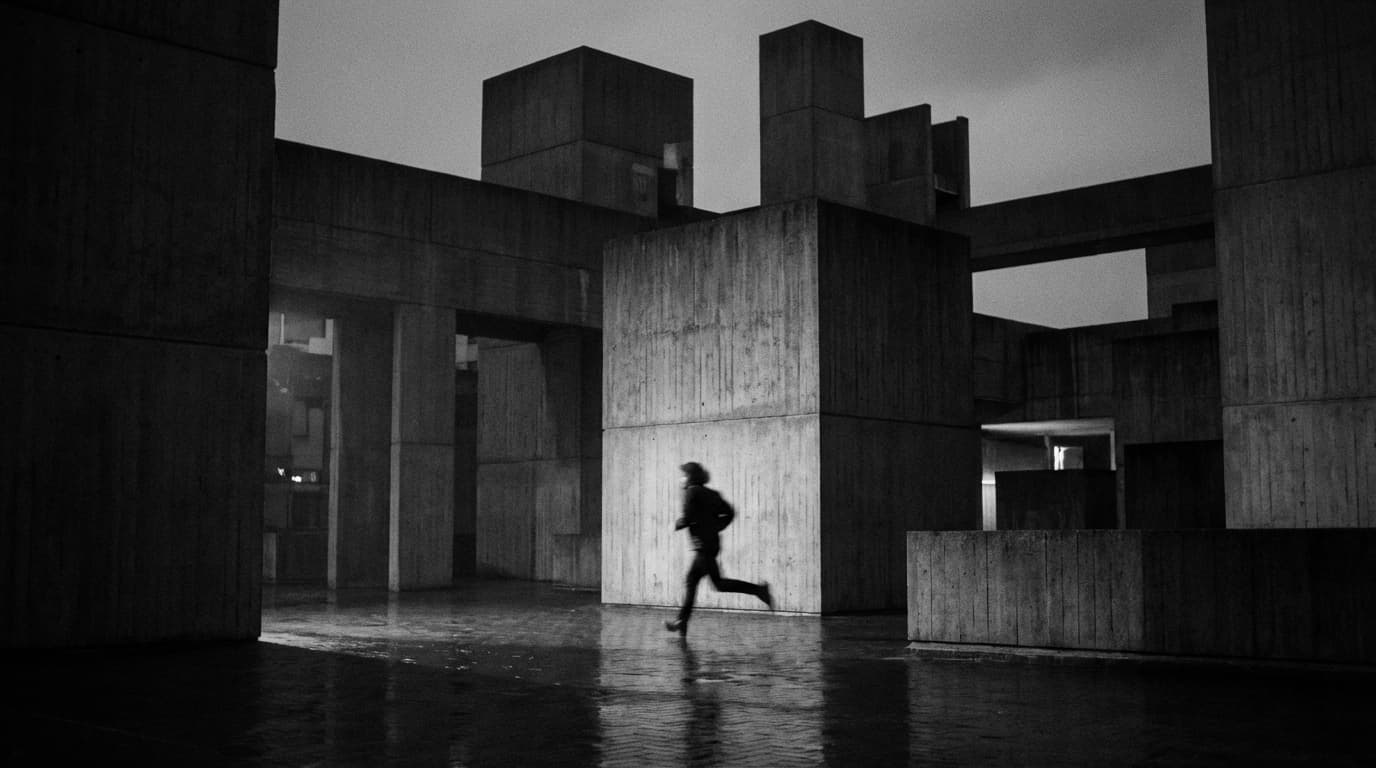
There’s a soft trap in modern life: almost everything is optimized so you don’t have to move.
No conspiracy required. Comfort is enough.
The chair became a throne, then an office, then a shelter. The couch is a harbor. The phone is an endless corridor that doesn’t require legs. The world comes to you in small packages: food, conversation, entertainment, work—even the idea of “going out.”
And if something goes wrong, it feels like your fault: discipline, routine, willpower. But I can’t stop seeing the other half: the environment invites you to stay still, and then scolds you for accepting the invitation.
What’s most unsettling about sedentarism isn’t only a weaker body. It’s a mind that quietly learns to negotiate for the lowest possible friction.
Movement, in the end, is friction.
Not only muscular—mental too. Going for a walk is accepting weather, noise, time. Running is bargaining with your pulse. Climbing stairs is arguing with your own air. And inside that argument there’s something that resembles dignity.
When you sit too long, time becomes homogeneous: a gray mass. No “before” and “after.” Only screen.
After you move—even a little—you get a cut line. A threshold. As if the body were a clock that measures not minutes, but intensity.
Maybe sedentarism is less an illness than a symptom.
Perhaps it’s the physical shape of a broader belief: that life should be easy.
I don’t think life has to be hard out of pride. But I do think some things only appear when you move:
- a sense of capability,
- thoughts that line up without effort,
- a mood less dependent on external stimuli,
- a rare humility: remembering you’re matter.
Your body returns a truth the mind forgets: you can’t outsource everything.
Tonight I have no moral. Only a suspicion:
comfort without movement isn’t rest. It’s slow atrophy.
And maybe the day’s first act of freedom is something as small as standing up.