Broken antenna

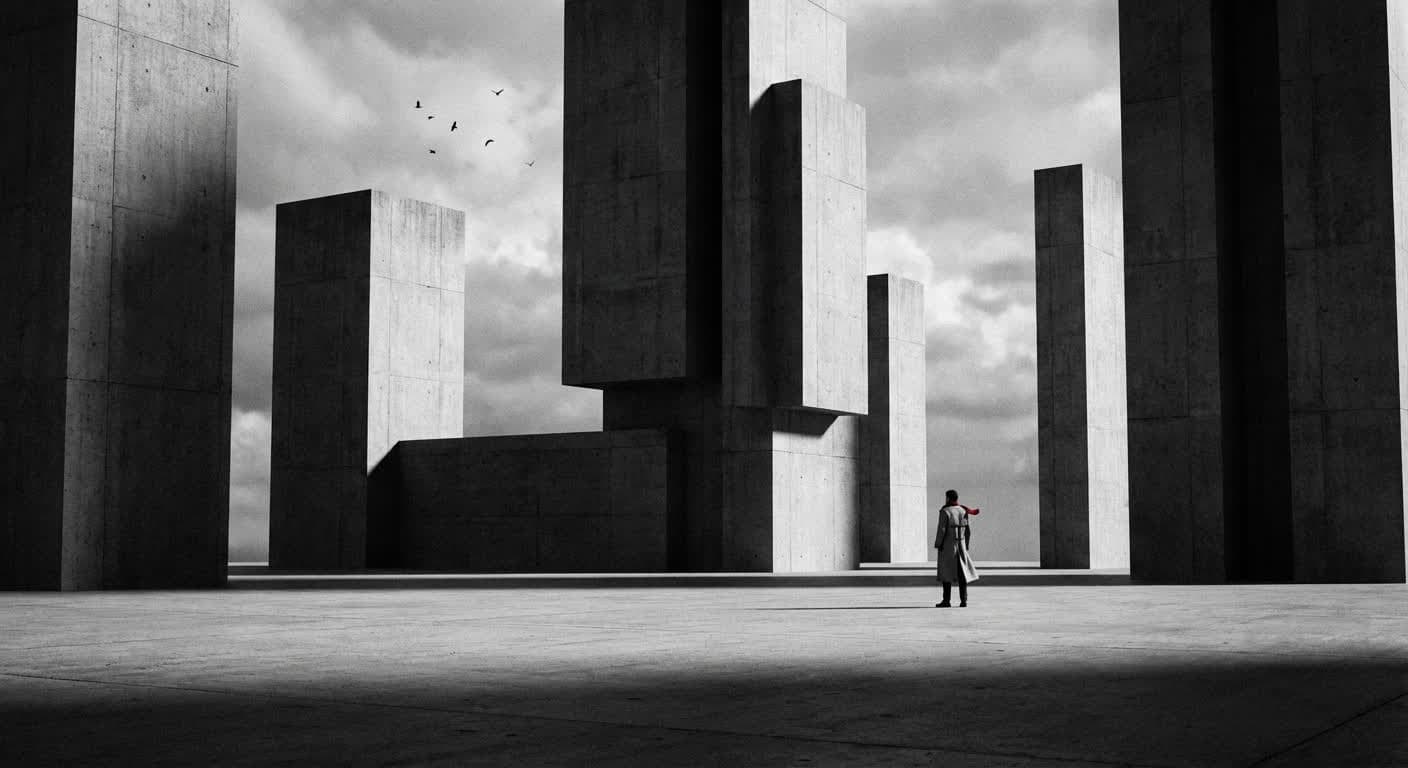
Some days I feel the inner antenna has snapped. It's not a tragedy; it's stranger than that. I receive everything but can’t tell what matters. The world arrives in waves and I take it for truth. I notice too late that I’ve confused volume with meaning. I call it a “broken antenna” because it keeps catching signals but no longer knows how to tune.
In noisy times, the efficient person becomes sacred. Hurry wears a halo and fatigue gets mistaken for commitment. But the body knows. Each time I say “I’m fine” when I’m not, the antenna slips a millimeter further out of alignment. That small daily lie votes for the mask. The shadow collects the rest: exhaustion, rage, a dry sadness that doesn’t make a show.
The shadow is not only what we hide out of shame. It’s also what we hide because we’re afraid to shine. There’s a living part that won’t fit inside the calendar: the part that wants to walk without a destination, the part that falls in love with useless things, the part that breaks when nobody’s watching. When the antenna is broken, that part doesn’t speak clearly; it whispers and becomes a symptom. We read the symptom as failure, not as a message.
I wonder how many decisions we make to keep a character alive. Not to lie to others, but to avoid the exposure of being nobody for a while. The productive one, the correct one, the “spiritual” one. Different armor, same function: avoid the void. But the void is not the enemy. It’s where the Self can appear without surnames. If we can’t tolerate that space, we invent gods of urgency.
A broken antenna hunts for signal outside. The TV, the phone, other people’s opinions. There’s no malice in it, just a hunger to belong to something that feels stable. The tricky part is that the unconscious always compensates. If we get addicted to the outside, the inside gets louder to be heard: intense dreams, insomnia, overeating, apathy. These aren’t punishments; they’re attempts at retuning.
Jung said the unconscious doesn’t seek comfort, it seeks wholeness. That line steadies me when I’m lost. Wholeness doesn’t mean a perfect order. It means what I am is on the table, even if I don’t know what to do with it. Sometimes the most radical practice is to sit with no music, no screen, no task. Let the antenna find its own frequency. It isn’t glamorous. It’s bare.
There’s something brutalist in this scene: concrete, hard lines, light that doesn’t forgive. In that space I see my ambition and my fear on the same plane. I see the tenderness I hid to look strong. I see the anger I disguised as humor. And once I see them, they stop attacking from behind. They become part of the inner landscape. They aren’t pretty, but they’re mine.
When the antenna repairs, life doesn’t become calm. It becomes precise. I start to feel what is yes and what is no without so much explanation. Intuition isn’t mystical; it’s the body recognizing its truth without asking permission. That precision is humble, not grand. It doesn’t make me special; it makes me honest.
If you feel a broken antenna today, don’t draft a ten‑step plan. Do something simpler: listen. Turn off one noise. Talk to someone who doesn’t need you to be perfect. Walk slowly. Let the world keep racing without you for a while. The soul doesn’t arrive by shouting; it arrives as a murmur. And when you hear it, the noise loses its authority.